
Virginia faces a severe healthcare workforce shortage that is even more acute in our rural communities.
In fact, the Virginia Health Workforce Development Authority has found that 102 of Virginia’s 133 localities are federally designated “Health Professional Shortage Areas.”
Not only do communities around Virginia need more doctors, nurses, and specialists, but they also need more of the skilled professionals that truly make the healthcare system work, like technicians, nurse aides, phlebotomists, social workers and counselors, and home healthcare providers.
In recent years Virginia’s public and private sectors, including governments, schools, businesses, healthcare providers and employers, and nonprofits like Claude Moore Opportunities where I serve as CEO, have made a concerted effort to work together to train the next generation of healthcare workers to meet the needs of a growing and aging population.
And now, under Governor Abigail Spanberger’s administration, Virginia is taking another important step to meet the unique challenges of delivering high-quality healthcare and expanding our healthcare workforce in rural communities.
As part of Virginia’s Rural Health Transformation Program, millions of dollars are being invested in the new Homegrown Health Heroes initiative to support investments in provider training, paid work-based learning, and accessible healthcare career pathways for rural residents.
This work is all the more important and urgent as Virginia and other states prepare for reduced Medicaid support from the federal government as part of H.R. 1, the so-called “One Big Beautiful Bill.”
Governor Spanberger and Secretary of Health and Human Resources Marvin Figueroa deserve credit for advancing this work and recognizing that strengthening rural healthcare starts with investing in the people who provide it. Their administration’s focus on expanding training opportunities close to home can help meet both the healthcare and economic needs of our rural communities while mitigating some of the negative consequences of the looming Medicaid funding reductions.
Rural workforce development, particularly in healthcare, will always present inherent challenges. Much of the training is complex and hands-on, requiring both physical presence and expensive equipment that can be difficult for individual rural communities to afford and difficult for students and trainees in rural communities to access.
For an individual student or worker seeking advanced training, it can also be challenging to juggle their studies with the need to earn an income, care for children or family members, or to secure reliable transportation to a training center that might be twenty or thirty miles away.
Homegrown Health Heroes addresses these challenges using methods that Claude Moore has found effective, including “earn while you learn” programs, apprenticeships and flexible career pathways through public schools and community colleges. These approaches help people enter healthcare careers and continue their training while earning a living.
To date, nearly $10 million has been dedicated specifically to rural healthcare workforce development, with millions to come in the years ahead.
Nearly $6 million has been approved across 14 community colleges to expand healthcare career training programs, with 313 additional student seats anticipated by fall 2027. The funding supports instructors, clinical training equipment and shared regional programs in fields including nursing, radiologic technology, dental hygiene, diagnostic medical sonography, physical therapist assistant and behavioral health.
An additional $3.8 million will support new physician residency positions in rural communities. Participating residents would make a five-year rural service commitment, including their residency training, with the goal of encouraging physicians to build long-term careers in rural communities.
At Claude Moore, we have learned through decades of work that healthcare workforce development efforts like those included in Homegrown Health Heroes deliver benefits to both our citizens and our communities.
First, when we create accessible, affordable opportunities to get the training and credentials required for in-demand healthcare careers, we can allow more Virginians to stay in their home communities and pursue meaningful careers with wages that elevate families into the middle class. These can be life-changing opportunities.
And just as importantly, a larger, more skilled healthcare workforce creates a healthier population, reduces wait times, travel distances and costs for healthcare services, and makes a rural community a more attractive place for investment and economic development.
On National Rural Health Day, we can celebrate these new programs and investments while recommitting to the hard work ahead. The success of Homegrown Health Heroes and the entire Rural Health Transformation Program will require the coordination and cooperation of government, schools, healthcare employers and nonprofit partners like Claude Moore, because no one entity can do it on its own.
Working together, we can help more rural Virginians pursue family-sustaining careers in their home communities while building the healthcare workforce their neighbors need.
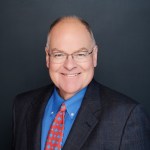
Dr. William A. Hazel Jr. is an orthopedic surgeon and chief executive officer of Claude Moore Opportunities. He previously served as Virginia secretary of health and human resources under Govs. Bob McDonnell and Terry McAuliffe, and as president of the Medical Society of Virginia.