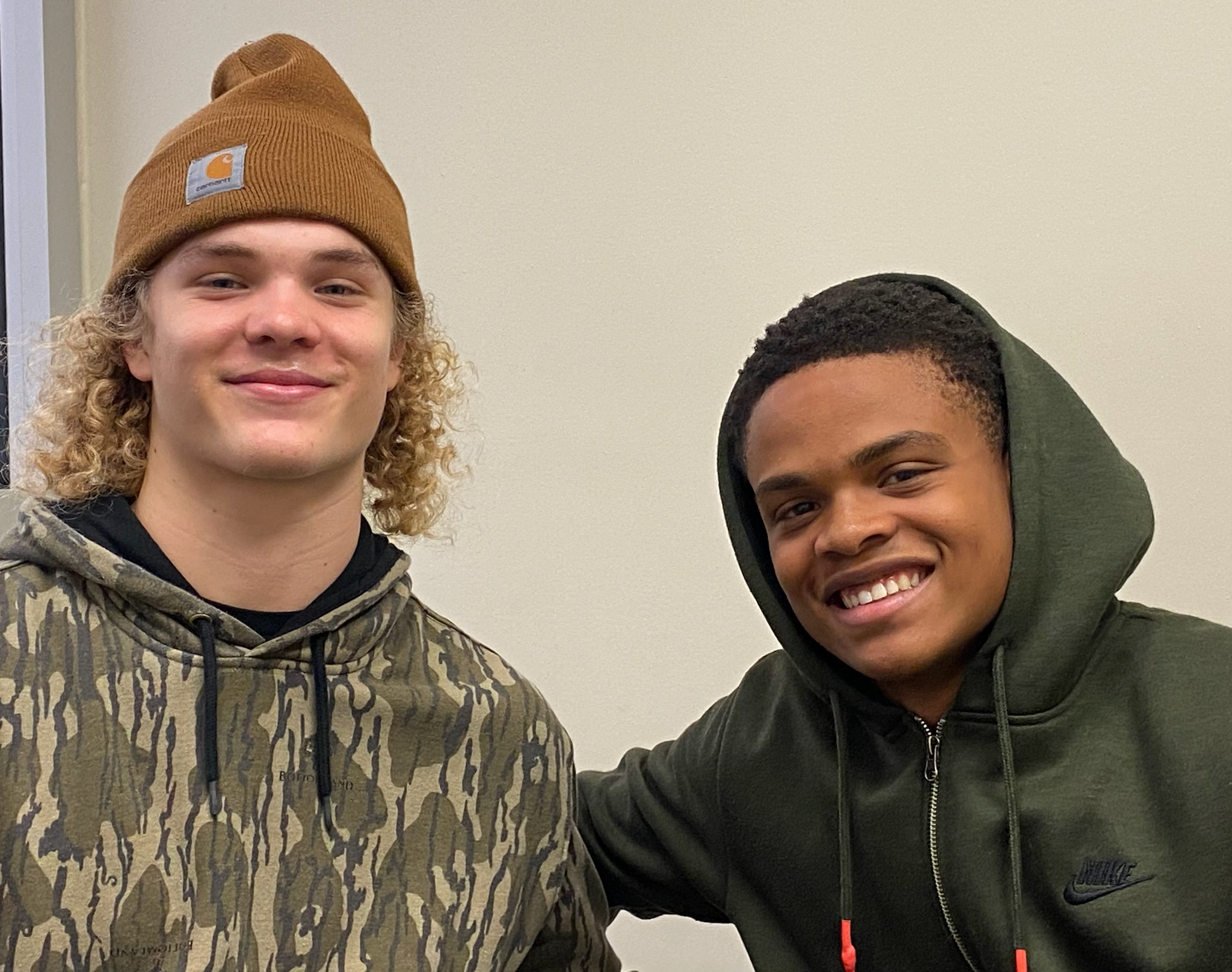



Every morning, thousands of Virginia children walk into school carrying more than their backpacks. They carry anxiety, grief, stress and fear, and too often quietly and alone.
Teachers and school counselors see it firsthand. They know when a child who once loved learning now stares blankly at their desk or when a normally talkative student has grown withdrawn. They also know how hard it can be to find help.
According to Mental Health America’s 2025 State of Mental Health in America report, one in five Virginia youth experienced at least one major depressive episode last year. Half of them received no treatment at all. A 2023 Pew Research Center survey found that 40% of parents are “very” or “extremely” worried about their children’s anxiety or depression.
Unfortunately, the path to getting help is often filled with obstacles: long waiting lists, transportation challenges and a shortage of licensed mental health professionals. For many families, even when they know their child needs help, finding — and affording — it feels impossible.
But there’s one place every child already goes every day: school.
That’s why the Virginia Health Care Foundation (VHCF), a public/private partnership, launched last year Nurture Now: Helping Children Shine, part of our Brighter Days Ahead mental health initiative. The program brings licensed behavioral health professionals, in partnership with schools and parental support, directly into schools so children can get care where they already are.
With a school-based therapist, support becomes immediate. A student can walk down the hall instead of waiting weeks. Teachers gain partners who help them recognize early warning signs and maintain positive classrooms. Families gain peace of mind knowing their children have trusted professionals to turn to.
During its first year, Nurture Now placed therapists and counselors in schools, including the counties of Appomattox County, Carroll County, Colonial Heights and Rockbridge County, areas where access to care is often limited and most students qualify for free or reduced-price meals or are covered by Medicaid.
In its first year, more than 1,200 students received medical and behavioral health care through Nurture Now. Most programs offer more than behavioral services, including medical care, which can support a wide range of the child’s needs while reducing stigma.
Teachers report that students who once struggled with outbursts are recognizing and managing their emotions. Children coping with anxiety are finding the confidence to participate in class again. Attendance is improving, and the program is growing. The Tri-Area Community Health organization in Carroll County will expand Nurture Now to nearby Grayson County in 2026.
Mary Sherry, director of student services for Appomattox County Public Schools, has said that Nurture Now is a “blessing to our school community” and a benefit that enables students to receive counseling during the school day, helping parents and families who don’t have transportation or aren’t sure where to get services.
These early results are not just heartening, they’re promising for Virginia’s long-term future. Early intervention is linked to higher graduation rates, fewer disciplinary actions, lower rates of substance abuse, and greater success in adulthood. For every dollar invested in school-based behavioral health programs, studies estimate several dollars saved in future costs from emergency care to juvenile justice involvement to lost workforce productivity.
That’s a return on investment no community can afford to overlook, and it’s one that takes strong partnerships with shared goals — like our relationship with Humana.
The VHCF is deeply grateful to Humana for its initial investments in Nurture Now and their continuation through the 2026 school year, and to community and corporate supporters including the Collis Warner Foundation, the Anne Mullens Orrell Charitable Trust (Bank of America, N.A., Trustee), Sentara Healthcare, Carilion, Dominion Energy and the Claude Moore Charitable Foundation that have made the Brighter Days Ahead initiative a reality.
Significant investments in the public sector have also been made in school-based health care. Gov. Glenn Youngkin’s Right Help, Right Now initiative and the General Assembly’s recent actions have strengthened school-based mental health programs and increased state funding for behavioral health.
Even with these steps, our work is far from done. The need remains great, especially in rural areas where access to care is still limited.
By continuing our partnerships and momentum, schools, parents and health systems can create a network of care that helps every child thrive in both body and mind. The future of Virginia depends on the well-being of our children. As we look ahead to 2026, we must continue to invest in meeting kids with what they need where they are — at school.
Rachel Rees is the chief executive officer of the Virginia Health Care Foundation, a public-private partnership dedicated to increasing access to primary, dental and behavioral health care for uninsured and medically underserved Virginians. Since its founding in 1992, VHCF has helped 900,000-plus Virginians obtain medical, dental and behavioral health services via 4.1 million visits.