
End-stage kidney disease is a devastating condition for patients and their families. In my 22 years as a surgeon, I’ve learned that people find it difficult to fully grasp the impact of living with kidney failure until they experience it firsthand.
Although commonly caused by high blood pressure and diabetes, genetic diseases and various other chronic medical conditions can also result in chronic kidney disease. For some patients, their condition rapidly progresses into Stage 5 kidney failure, also referred to as end-stage kidney disease, which is universally fatal without dialysis or kidney transplantation. Unfortunately, even with dialysis, 20% to 50% of patients with end-stage kidney disease die within 2 years of diagnosis. Kidney transplantation offers the best outcome for quality of life and duration of life for patients with end-stage kidney disease.
The statistics are telling: 1 in 7 adults suffer from kidney disease. In Southwest Virginia, the diseases resulting in end-stage kidney disease are increasing, and we expect the demand for kidney transplantation to grow by nearly 35 percent over the next five years. Without a local transplant center, our friends, family members and neighbors are required to travel up to 4 hours each way to a transplant center for lifesaving care. This travel burden is more difficult when organizing the three-times-per-week dialysis schedule.
Franklin County native Joey Shervey’s story puts this reality into perspective.
Seemingly healthy with no family history of kidney disease, Joey was shocked to be diagnosed with end-stage kidney failure at just 27 years old. Joey’s life completely changed. He could no longer work or do the things he loved. He put his wedding plans on hold and spent three days per week traveling out of town to undergo hemodialysis sessions lasting three to four hours. As his primary caregiver, his fiancé, Jessica, had to take time off work.
In September, Joey was fortunate to match with a living kidney donor and receive a successful transplant out of town. Given that live donor kidneys are expected to last 15 to 20 years after transplantation, Joey likely requires another kidney transplant two or three more times during his life.
Regrettably, without access to a transplant center in Southwest Virginia, 79% of kidney transplant patients in our region, like Joey, must travel for up to four hours — sometimes out of state — for these lifesaving services. Further, 15 of the 39 counties and cities in Carilion’s extended service area have poverty rates above 20%, imposing significant financial and logistical barriers to access kidney transplantation. For these families in particular, travel requirements are insurmountable and typically the top reason these patients aren’t able to obtain a life-extending kidney transplant. Residents of Southwest Virginia deserve better.
To build a kidney transplant program, a healthcare system must demonstrate a public need for the service and secure a Certificate of Public Need (COPN) from the state health commissioner. Virginia COPN regulations require that individuals should not have to drive more than two hours for kidney transplant services. Under the state’s current guidelines, this standard is not being met.
Carilion is working with patients, advocates and state officials to ensure that patients are not disadvantaged in receiving vital kidney transplants. Dr. David Cronin, a longtime U.S. Department of Veterans Affairs surgeon with transplantation experience, will be one of our transplant program’s surgeons. Combined, Dr. Cronin and I have over 40 years of surgical experience, including dedicated transplant fellowships. These are a few reasons why we’re asking the public to support our work toward state approval in creating the region’s only transplant program at Carilion Roanoke Memorial Hospital.
If approved, this program will bring much-needed access to comprehensive kidney care for our region’s residents, improve health outcomes, help patients and their families save time and expense, and save the lives of those with end-stage kidney disease. As Joey Shervey says, “Kidney disease is a silent killer. Being able to fight it close to home would be a dream come true.”
A local program in Roanoke would also allow our team to accept living donors, further increasing access and offering community members the option to become donors at a transplant center close to home.
Since our proposal’s announcement, thousands of residents have written letters of support, local governments have passed support resolutions, and kidney disease patients have jumped at the chance to share their stories that help describe why the program is needed here. Public support is critical to state approval, and we hope you will join us.
You can learn more about this work at KidneyTransplantSWVA.org, where you can submit a support letter if interested. I sincerely thank you for considering the importance of our mission.
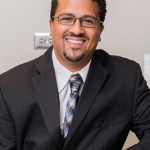
Dr. David Salzberg is a Carilion Clinic surgeon and Virginia Tech Carilion School of Medicine professor of surgery. He joined Carilion and the school of medicine in 2016 and completed his transplant fellowship at the Medical College of Virginia in 2007.